
Cosmos and Psyche: Archetypal Astrology and a Depth Understanding of History
Saturdays, 12:00 pm – 2:00 pm (Pacific time)
January 9 – March 13, 2027
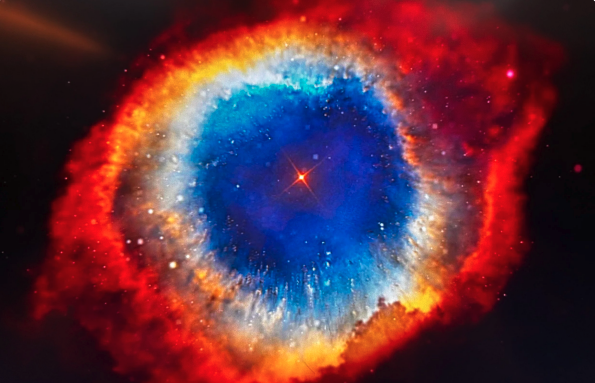
A nine-week online immersion in Richard Tarnas’ Cosmos and Psyche, exploring the relationship between planetary cycles, archetypal patterns, depth psychology, and history. Beginning with the modern disenchanted world view and its consequences for the psyche, the course examines archetypal astrology as a rigorous lens for understanding psychological transformation, cultural history, and the deeper structures of collective experience.
On The Pantheon of the Planetary Archetypes: An Evening with Richard Tarnas
Online, 6:00 – 8:00 pm (PST) | Thursday, February 4th, 2027
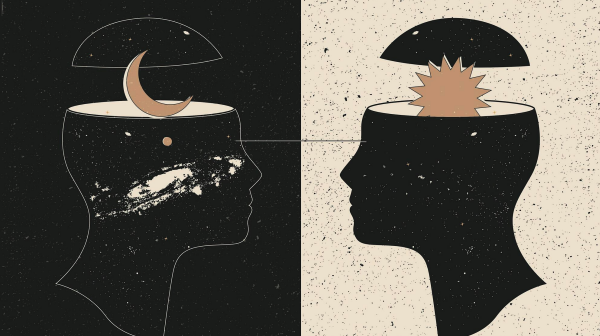
Join CIIS Professor Emeritus and cultural historian Richard Tarnas for an illuminating talk examining the pantheon of the planetary archetypes. Of the many archetypes that Carl Jung recognized as informing the psychological life of his patients, those he found in the astrological tradition seemed to him especially significant, as reflecting timeless structures in the deep psyche.
Becoming familiar with the profound archetypal meanings associated with the Sun, Moon, and planets is invaluable for everyone interested in depth psychology and self-understanding. Because they are so universal in nature, as soon as each planet’s archetypal character and range of major expressions is presented, we quickly tend to recognize them as familiar realities in our lives. It is also crucial to understanding not only our personal natal charts but the world transits that we grasp the intrinsic nature of all archetypes, and how our always-evolving level of self-awareness and agency can play an important role in the ways these powerful forces and complexes are enacted in our lives.
The Passion of the Western Mind: A Brief History of Western Thought
On Demand Course at Kosmos Institute
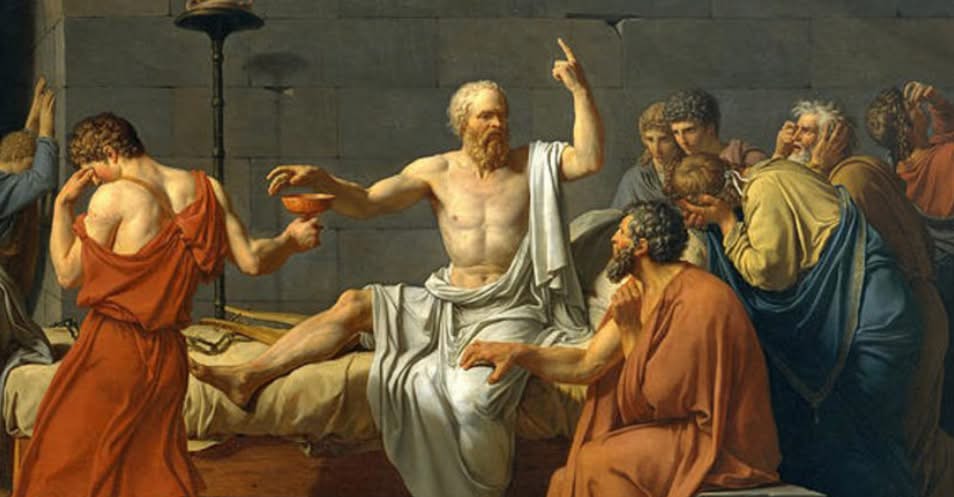
Now available on demand, this nine-week course presents an introductory survey of the evolution of the Western world view, beginning with its roots in ancient Greece and Israel against the background of the great archaic Mesopotamian and Egyptian civilizations. After tracing its development through the classical era and High Middle Ages to the Renaissance, Reformation, and Scientific Revolution, we will explore the gradual transformation of the modern world view, established during the European Enlightenment and counterbalanced by Romanticism, into the radically pluralistic postmodern sensibility that influences the increasingly global civilization of the present age. Lectures will address key dimensions of world views such as the nature of the cosmos, the divine, the human, and the mythic metanarrative with which each age seeks to contextualize itself.


